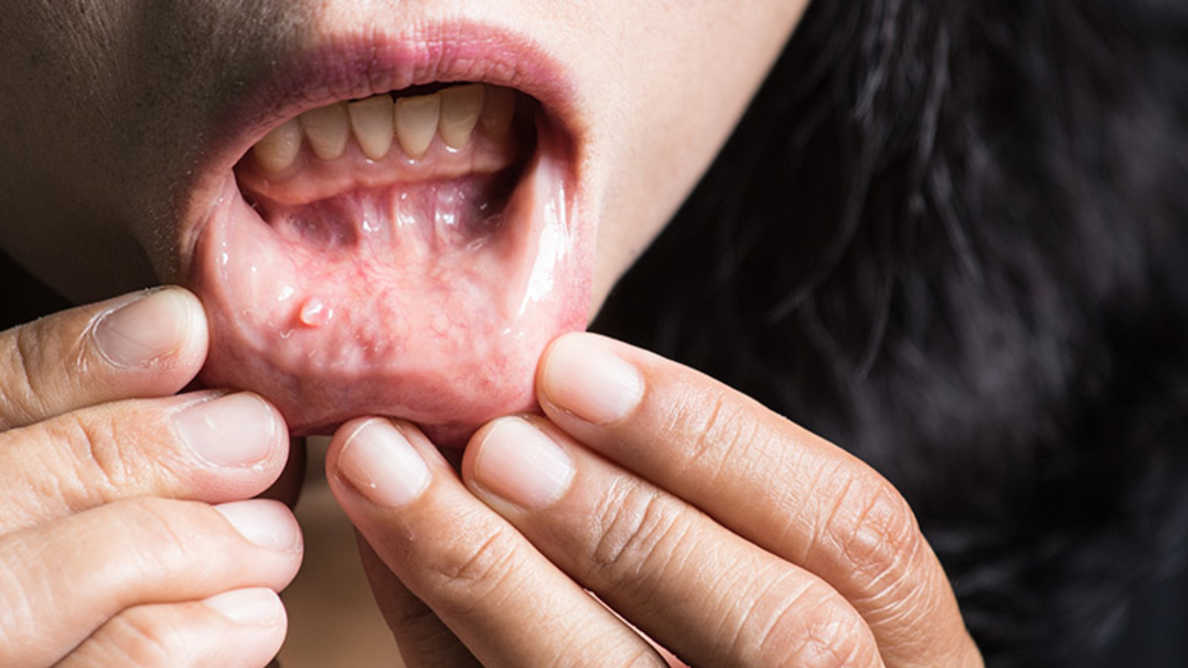
Oral cancer is asymptomatic in the initial stages, but in India, it is anything but rare. India has one of the highest rates of oral cancer in the world, with more than 1 lakh new cases reported annually. This cancer contributes to almost 30% of the total incidence of cancer in the country. Yet, it is one of the most preventable forms of cancer and when caught in the early stages, it is one of the most curable forms of cancer as well. Tobacco, in all forms, is the largest contributor to oral cancer, responsible for 95% of the cases in the country.
Based on GLOBOCAN 2022 and National Cancer Registry Programme (NCRP) data, approximately 143,759-146,000 new cases of oral cancer are reported annually. Additionally, over 52,000–75,000 deaths occur yearly, averaging over 5 deaths every hour.
Dr Jitendra Kumar Sharma, Consultant, Surgical Oncology (Head & Neck) Fortis Escorts Hospital Jaipur points out the risk factors, early warning signs, diagnosis, treatment and preventive measures.
The risk factors associated with oral cancer include:
Tobacco Use: Over 80% of oral cancer cases in India are linked to tobacco use, specifically smokeless tobacco (SLT) like gutkha, paan masala, and khaini.
Areca Nut (Betel Quid): Widespread chewing of areca nut acts as a significant carcinogen.
Alcohol & Smoking: Synergistic use of alcohol and smoked tobacco (bidi/cigarette) significantly increases risk.
HPV Infection: Human Papillomavirus (specifically HPV 16/18) is an emerging factor, found in 20-30% of cases, particularly in younger patients.
Early Warning Signs You Shouldn’t Ignore
- Mouth ulcers that don’t heal after 2-3 weeks
- Patches inside the mouth that are red or white
- Lumps, swelling or thickening inside the cheek or tongue
• Difficulty while eating, swallowing or speaking
- Hoarseness or earache
- Unintended weight loss or loosening of teeth
How Is Oral Cancer Diagnosed?
Early detection is key to improving outcomes, as it enables timely intervention through surgery and other treatments, significantly increasing survival rates. Regular screening is particularly important for individuals above 60 years of age, tobacco users (both smoking and smokeless forms such as gutkha and khaini), alcohol consumers, and those with a family history of oral cancer.
Screening is simple, quick, and non-invasive, typically involving a visual examination and palpation of the oral cavity. If any abnormality is identified, further diagnostic evaluation may be recommended. This may include a detailed oral examination, a biopsy to confirm the presence of cancerous cells, and imaging tests such as CT scans, MRI, or PET scans to determine the extent of the disease.
In India, oral cancer is frequently diagnosed at an advanced stage, largely due to limited awareness and understanding of the condition. Individuals with high-risk habits are advised to undergo at least one oral examination annually by a dentist or trained healthcare professional.
It is also important to stay alert to warning signs such as persistent sores, red or white patches, or difficulty in swallowing that last for more than two weeks, and seek medical attention promptly.
Treatment Options
Treatment depends on the extent and location of the cancer. Treatment options include:
- Surgery
- Radiation therapy
- Chemotherapy
- Targeted therapy or immunotherapy in the later stages of the disease
Prevention: Small Steps, Big Impact
- Quitting the consumption of tobacco
- Limiting the consumption of alcoholic drinks
- Practicing good oral hygiene
- Eating fruits and vegetables
- Having regular check-ups
- Being cautious of the symptoms, which are unusual patches, sores and lumps
Oral cancer is not just a medical problem, it is a behavioral problem. With increased awareness and screening, thousands of lives can be saved every year in India. This Oral Cancer Awareness Month, take a minute to check your mouth. It may be just what you need to catch something before it's too late.