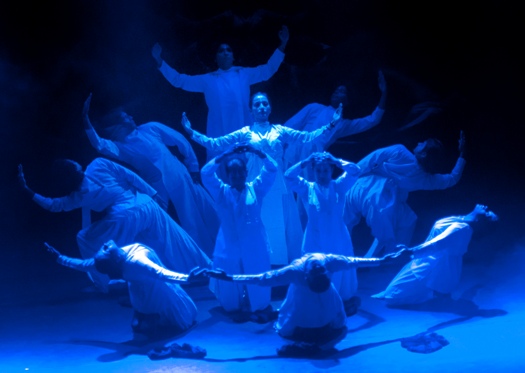
Mumbai: As India’s performing arts landscape continues to evolve, the legacy of legendary dancer Uday Shankar remains a powerful influence on contemporary dance. Marking its 50th year, the National Centre for the Performing Arts (NCPA) brought this legacy into focus through its August Dance Residency, a two-day cultural programme featuring a dance workshop, a film screening, and a contemporary dance production by the renowned Mamata Shankar Dance Company.
The event paid tribute to Uday Shankar, widely regarded as the pioneer of modern dance in India, whose innovative approach combined classical Indian traditions with contemporary movement vocabulary. The residency featured a workshop introducing participants to the distinctive Uday Shankar style, offering dancers and enthusiasts an opportunity to engage directly with one of India's most influential artistic traditions.
A major highlight of the programme was the screening of Kalpana, the only film directed by Uday Shankar. Considered a landmark in Indian cinema, the film is recognized for its unique dance-ballet format and for bringing dance-based storytelling to the silver screen. The film also introduced several future stars of Indian cinema and remains an important cultural document in the history of performing arts.
The residency concluded with Sabari!, a dance production presented by the Mamata Shankar Dance Company. Led by acclaimed dancer and actress Mamata Shankar, daughter of Uday Shankar and legendary dancer Amala Shankar, the troupe has spent decades preserving and evolving the artistic philosophy established by its founder.
Established in 1977, the company has developed a distinctive repertoire that blends classical Indian dance traditions with contemporary themes and storytelling. Over the years, Mamata Shankar has choreographed numerous dance dramas exploring social, literary, and humanistic subjects, including adaptations inspired by the works of Rabindranath Tagore.
Beyond the performances, the residency highlighted the growing importance of cultural institutions in safeguarding India's artistic heritage while making it relevant for new generations. As audiences increasingly seek contemporary interpretations of traditional art forms, initiatives such as the NCPA Dance Residency demonstrate how legacy and innovation can coexist within the performing arts ecosystem.
For NCPA, which has served as one of India's premier cultural institutions since 1969, the programme reflected its ongoing commitment to nurturing artistic excellence, preserving cultural heritage, and creating platforms for meaningful engagement with India's diverse performing arts traditions.
More than a commemorative event, the residency underscored the enduring influence of Uday Shankar's artistic vision and its continued relevance in shaping the future of Indian contemporary dance.