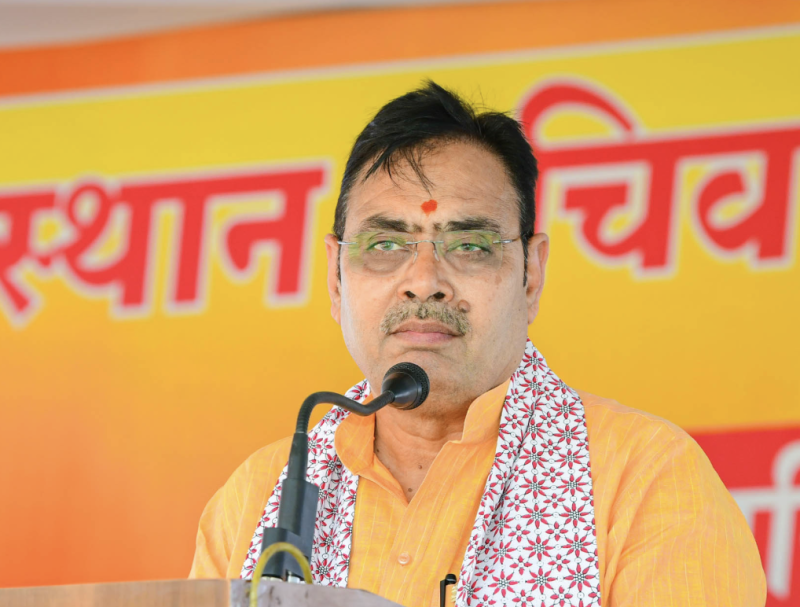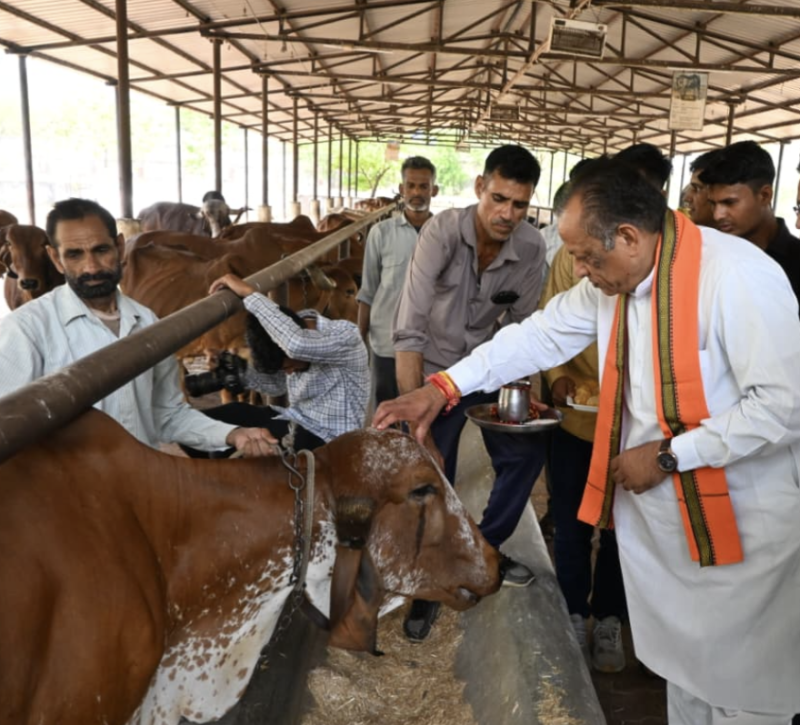
Jaipur, April 25, 2026: Rajasthan marked World Veterinary Day 2026 with a policy-focused event at the Postgraduate Institute of Veterinary Education and Research in Jaipur, where the state government outlined its push to expand animal healthcare access and strengthen livestock-based livelihoods.
The programme, organised by Rajasthan University of Veterinary and Animal Sciences (RAJUVAS), saw participation from Animal Husbandry Minister Joraram Kumawat, who emphasised that improving access to veterinary care remains a key priority for the state.
Addressing the gathering, Kumawat said the government has expanded veterinary infrastructure by opening new पशु चिकित्सालय (animal hospitals), upgrading existing facilities, and increasing the availability of free medicines. He added that doorstep animal healthcare is being enabled through mobile veterinary vans, alongside targeted welfare schemes such as the Gopalak Card and livestock insurance initiatives.
The minister highlighted that programmes like the Mangla Livestock Insurance Scheme and the use of sex-sorted semen technology are aimed at improving breeding outcomes and reducing financial risk for livestock owners. A statewide vaccination drive is also being implemented to prevent disease outbreaks and improve overall animal health.
Speaking at the event, Vice-Chancellor Tribhuwan Sharma noted that animal husbandry plays a critical role in Rajasthan’s economy and nutrition security. Director Suresh Chand Meena added that veterinary professionals contribute not only to animal health but also to human health, food safety, and environmental sustainability.
Dean Dharam Singh Meena presented insights on the evolution and current state of veterinary science, while a technical seminar featured a lecture on this year’s theme—“Veterinarians: Guardians of Food and Health.”
The event also recognised contributions of retired academicians G.C. Gehlot and Sunanda Sharma for their distinguished service. A newsletter by RAJUVAS was released during the programme.
Alongside the formal event, the institute conducted a free anti-rabies vaccination drive, animal health check-ups, and infertility treatment camps. Student engagement activities, including a poster competition and an online quiz, were also organised.