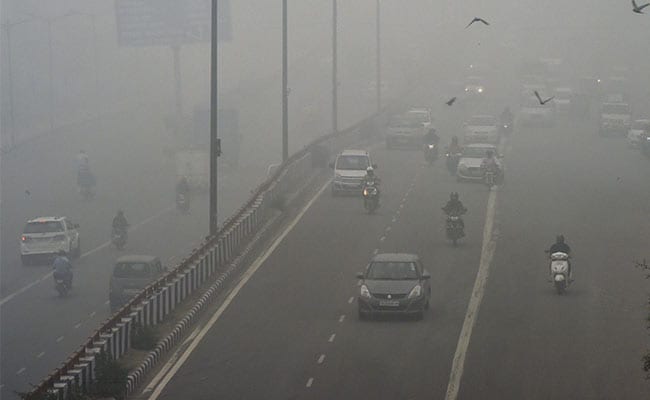
New Delhi, November 11th, 2026: In a landmark public health analysis published in the Journal of Vascular Diseases, researchers found that long-term exposure to fine particulate matter () is consistently associated with a 10% to 16% higher risk of developing type 2 diabetes. Synthesising data spanning more than 200 million cumulative participant observations worldwide, the study establishes that air pollution is no longer solely a cardiopulmonary concern, but a potent, systemic metabolic disruptor demanding urgent integration into cardiometabolic prevention frameworks with profound implications for high-exposure regions like South Asia.
The study was co-authored by Dr. Anoop Misra, Padma Shri and Executive Chairman & Director, Diabetes and Endocrinology, Fortis C-Doc Hospital for Diabetes and Allied Sciences, New Delhi, along with Yashendra Sethi, Nirja Kaka, Saurabh Singhal, Manvi Vasudev and Giuseppe Biondi-Zoccai. The comprehensive research titled the APEX-T2D (Association Between Exposure and Type 2 Diabetes Across the Cardiovascular-Kidney-Metabolic (CKM) Continuum) study analyzed 13 previous major reviews covering over 200 million participant observations worldwide. Spanning global populations across North America (USA, Canada), Europe (including Germany, Belgium, Italy, Denmark), East Asia (China, South Korea, Japan, Hong Kong, Taiwan), South Asia (India, Bangladesh, Sri Lanka), Latin America (Brazil, Mexico), and Australia. The findings establish that toxic urban air is a potent, systemic metabolic disruptor demanding urgent integration into cardiometabolic prevention frameworks, with profound public health implications for high-exposure regions like South Asia.
Study Methodology:
To provide an overview of how air pollution affects blood sugar, the research team followed strict international scientific guidelines (Cochrane and JBI methodology for umbrella reviews, reported through PRISMA 2020 and PRIOR statements). Researchers scanned major global scientific databases (including PubMed, Embase, Scopus, and Web of Science) up to May 2026 to find all relevant studies on air pollution and diabetes. Each review was carefully assessed for quality using standardized healthcare checklists, and the reliability of the evidence was graded using JBI international health evaluation standards (GRADE). The study compared findings across different global populations, paying special attention to high-pollution areas in Asia versus Western countries.
Study Findings:
Every major review examining new diabetes cases found a clear link to pollution, showing a consistent 10% to 16% increase in risk per 10 micrograms per cubic meter rise in PM2.5 particles. These investigations further reveal elevated rates of overall diabetes prevalence, rising blood sugar levels, and associated health complications. This heightened risk persists even in populations living in clean air categorised areas. As nearly everyone is exposed to outdoor air, even small individual risks compound into millions of additional diabetes cases worldwide, impacting regions like South and East Asia most severely.
Dr. Anoop Misra, Padma Shri, Executive Chairman & Director, Diabetes and Endocrinology, Fortis C-Doc Hospital for Diabetes and Allied Sciences, said, “The study underscores the importance of viewing air pollution not only as an environmental and respiratory health concern, but also as a potential consideration within the broader cardiovascular–kidney–metabolic (CKM) continuum. When we look at heavy pollution in major South Asian cities, the public health toll on diabetes rates is immense. Air quality management must become a core part of diabetes prevention.”
Yashendra Sethi, First author, APEX-T2D study said “The environment we live in has a major impact on our health. Air pollution is not just a lung problem; it also affects our heart and metabolism, and increases the risk of type 2 diabetes. Our own research, along with growing scientific evidence, highlights this link. If India wants to tackle both diabetes and pollution, we must improve metabolic health and clean up our environment. We cannot fight diabetes while ignoring the air we breathe.”
The researchers emphasize that while clean air guidelines have traditionally focused on heart and lung health, diabetes prevention must now be added to the conversation. Experts recommend strengthening continuous air quality monitoring, tightening emissions standards, and including environmental factors in national healthcare policies.