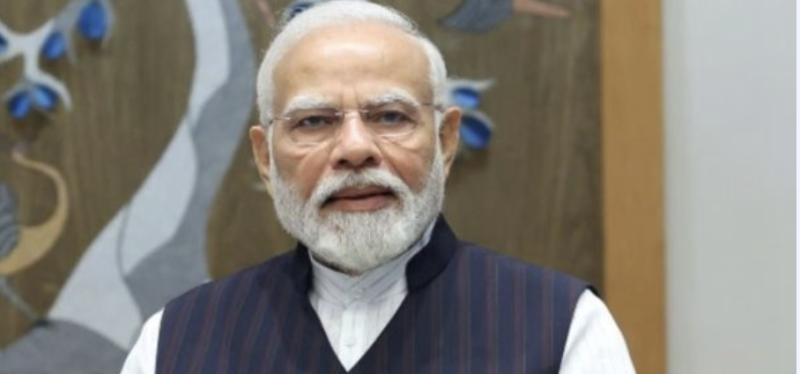
Delhi, 12th May 2026 - As the global fuel crisis intensified following tensions in West Asia, Prime Minister Narendra Modi urged Indians to adopt work from home where possible,hold meetings online, and avoid unnecessary spending. The message was simple conserve fuel and reduce pressure on imports during a period of global uncertainty.
The appeal came at a time when Brent crude prices had surged from nearly $73 per barrel to as high as $126 within weeks after disruptions around the Strait of Hormuz, through which nearly 20% of the world’s crude oil trade passes. Across the world, countries responded with fuel rationing, emergency subsidies, and restrictions as energy costs climbed sharply.
Yet in India, the situation on the ground remained largely stable.
Despite being one of the world’s largest oil importers, there were no fuel queues, no rationing systems, and no sharp spike in petrol or diesel prices for consumers. LPG supplies continuednormally across the country even as global markets witnessed extreme volatility.
Behind the scenes, the government moved on multiple fronts diversifying crude sourcing toward Russia, the United States, and West Africa, prioritising domestic gas allocation, reducingexcise duties, and directing oil companies to absorb part of the global price shock instead of passing it entirely to consumers.
Experts say the response also reflected years of preparation. Investments in refining capacity, LPG expansion, ethanol blending, and strategic petroleum reserves helped India navigateone of the sharpest global oil shocks in recent years with relatively limited disruption to everyday life.
The larger message emerging from the crisis is clear: while citizens are being encouraged to use fuel responsibly, the government is simultaneously working to ensure that the burdenof a global energy crisis does not directly fall on the common man.