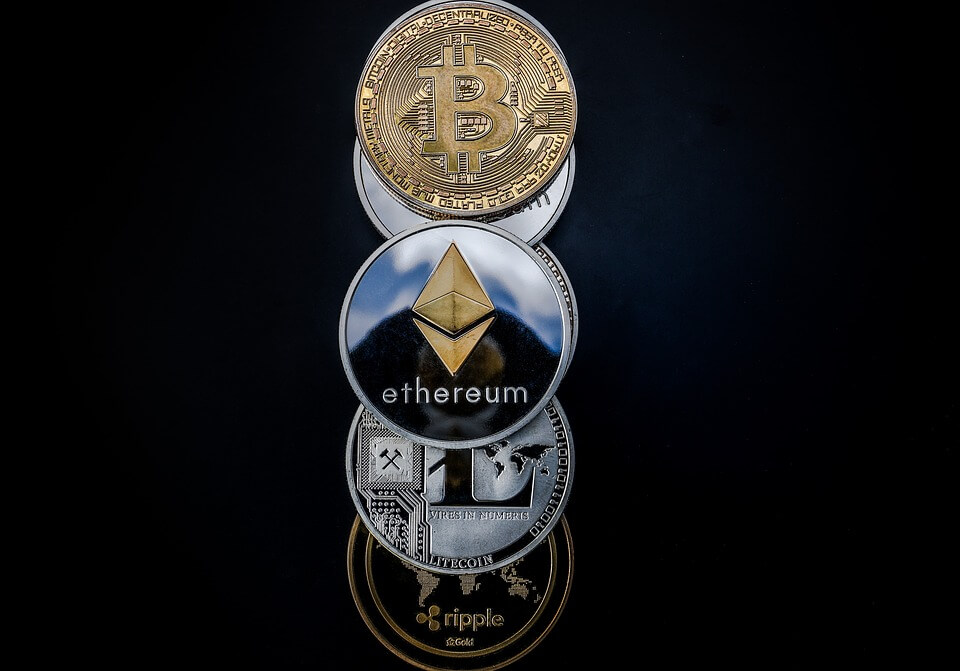

While cryptocurrency has faced its share of
skepticism ever since its inception in 2008, it has gained quite a lot of
popularity in more recent years. As more and more companies accept bitcoin and
other cryptocurrencies as payment, in one form or another, the public is
becoming more aware and more enthusiastic about digital currency. And even as
this gradual change is occurring we’re still seeing new and potentially more
user-friendly cryptos emerging – including, potentially, Facebook’s Libra,
which was covered in an article at The News Strike upon its announcement.
Even as cryptos are becoming somewhat more
viable as currency though, they’re also being looked at more and more seriously
for their potential as investment assets. Some are still buying up cryptos in
the hopes of lucrative gains if they catch on further in the coming years, or
even decades. Others, however, are looking into crypto investment as a means of
diversifying and stabilizing their portfolios – much the way people have often
done with gold.
Gold has long been considered the so-called
“safe haven” of investments. More specifically, when an economic
crash causes a currency’s value to plummet, investors sometimes buy up gold as
a means of protecting their wealth. In theory, gold will either stay stable
regardless of currency movements, or rise in a sort of inverse relationship to
struggling currencies (because of a tide of investors buying in and raising the
price). It’s for these same reasons that some maintain a stash of gold in their
portfolios regularly, as preemptive hedge against a crash. Whether or not these
strategies should be trusted is open for debate, but regardless they have led
many to invest in gold over the years. And some believe cryptos could be next.
Light similarities between the two assets are
not hard to identify. Like gold, cryptocurrency is a decentralized commodity,
with a value that’s determined by a process independent of specific currencies,
markets, or governments. Thus, it could in theory be eyed for investment for
reasons similar to those behind so many gold purchases. And some have suggested
that people in younger generations may actually be more comfortable diversifying their finances via
tech-based assets than by buying gold.
The basic idea, then, of cryptos becoming
new-age gold for investors, makes some basic sense. But there are also a few
reasons to question the comparison.
For one thing, there’s an implication in the
common suggestion that cryptos are the new gold that they will in fact outperform
gold moving forward. This is so far unproven, and some might say dubious. The gold price charts at FXCM show steady performance for gold of late, with minor
spikes and dips but overall ascending value – whereas cryptocurrencies,
including and perhaps especially bitcoin, have remained unpredictable and prone
to some what dramatic swings.
There may be a sort of middle ground on which
cryptos can actually be engineered to serve as gold-like assets. For instance,
cryptos called stablecoins are designed specifically to minimize volatility.
This is actually done in part by pegging them to the values of specific
currencies or commodities though, which may in theory defeat the purpose. A stablecoin
option tied to a currency would be subject to the same crash potential as the
currency itself; and if one is buying a stablecoin pegged to a commodity for
hedging purposes, it would essentially be another version of buying that
commodity (though it could conceivably be more convenient).
One way or another, we may find out if
cryptocurrencies can protect people’s finances from economic downturn, if and
when the next widespread recession hits. A piece on the next recession by
Fortune suggested we may already be in the early
stages of just such an economic downturn, and though this is of course bad news
generally, it may provide some early answers about cryptos investments’
protective potential. We may learn if in fact major cryptos rise when major
currencies fall.
For now, it may be best to consider cryptos more
as investments for long-term gain, rather than as direct alternatives to gold.
Furthermore, it’s always important to remember that there’s really no such
thing as a “safe” investment; even gold can let you down when it’s
meant to be reliably stable. Nevertheless, if your goal is to protect against
currency devaluation, cryptocurrency as a gold alternative is at this time more
of a theory than anything else. And the most important thing remains doing your
own research about relevant assets and at the appropriate time before making
any choices for your portfolio.