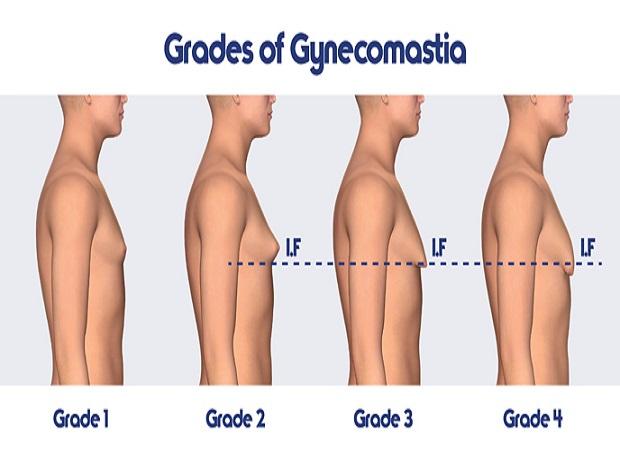
Cases of male breast enlargement, medically known as Gynecomastia, are increasingly being reported among young men in India, with doctors noting a significant rise in the number of patients seeking corrective surgery.
According to Dr Mohan Thomas, Medical Director at The Cosmetic Surgery Institute, there has been nearly a 50% increase in men opting for gynecomastia correction procedures in recent years. Growing awareness, social pressure and the desire for improved body confidence are among the key reasons driving this trend.
Gynecomastia refers to the enlargement or swelling of breast tissue in males. The condition is often caused by hormonal imbalance, particularly when estrogen levels rise relative to testosterone. Other contributing factors include obesity, certain medications and long-term use of recreational drugs.
Doctors say the condition can significantly affect mental health and self-esteem, especially among teenagers and young adults. In many cases, individuals avoid sports, swimming pools or public activities due to embarrassment.
One such case involved an 18-year-old student who had been struggling with enlarged breasts since the age of 15. Due to teasing from peers and low confidence, he stopped participating in outdoor activities and began wearing multiple layers of clothing to hide his chest. Over time, his weight increased significantly, which worsened the condition.
Following medical consultation and counselling, the patient underwent a structured weight-loss program and lost more than 45 kilograms over six months. However, despite the weight loss, excess chest tissue remained, requiring surgical correction to restore a natural chest contour.
Doctors performed a breast reduction procedure that included repositioning the nipple and areola, helping achieve a more natural chest appearance with minimal scarring. After recovery, the patient regained confidence and resumed normal social activities.
In many cases, surgeons now use a minimally invasive technique known as keyhole male breast surgery, which removes excess fat deposits using specialized liposuction instruments. The procedure typically leaves very small scars—around 3 to 4 millimetres—and is usually performed as a daycare surgery, allowing patients to return to work within a few days.